
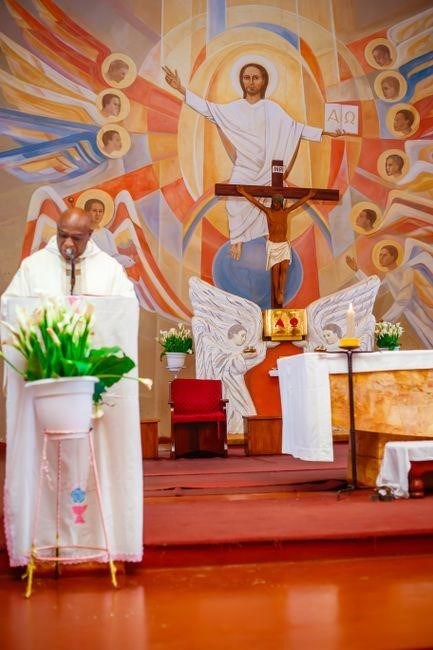
Overview of Thanksgiving Sermon PDFs

Thanksgiving sermon PDFs compile concise outlines, key verses, and speaker insights, offering accessible resources for churches and individuals. These files highlight gratitude, worship, and biblical foundations, enabling faithful preparation and shared worship experiences. Enrich worship.
Definition and Purpose
Thanksgiving sermon PDFs are digital compilations that distill the essence of seasonal worship into a single, portable document. They serve as a ready‑to‑use resource for pastors, worship leaders, and congregants, offering a structured outline, key biblical references, and speaker commentary. By consolidating the sermon’s core message—gratitude, worship, and biblical truth—into a concise format, these PDFs enable quick reference during preparation, rehearsal, or personal study. Their purpose is multifold: to preserve the sermon’s theological intent, to provide a consistent teaching framework across different churches, and to facilitate sharing among ministries. The PDFs are often distributed through church websites, email newsletters, or cloud‑based platforms, ensuring accessibility for anyone with an internet connection. Moreover, they support digital ministries by allowing the content to be embedded in virtual worship services, podcasts, or online devotionals, thereby extending the reach of the Thanksgiving message beyond the physical sanctuary. In essence, a Thanksgiving sermon PDF is both a teaching tool and a ministry bridge, encapsulating the season’s spirit in a format that is easy to download, read, and share. These PDFs also often include a brief reflection section, a suggested scripture study plan, and a call to action that encourages congregants to practice gratitude in everyday life, thereby reinforcing the season’s message in a tangible, lasting way. This enriches the community together

Key Sermon Themes
Gratitude, worship, biblical gratitude, joy, humility, community, thanksgiving commands, scriptural focus on Psalm 107, 1 Thess 5, and John 15, encouraging believers to praise God, remember blessings, and live thankful lives. And cultivate a spirit of eternal gratitude.
Gratitude and Worship
Gratitude and worship are the twin pillars of Thanksgiving sermon PDFs, offering a structured pathway for believers to express thankfulness and honor God. The PDFs contain curated scripture such as Psalm 107:1, 1 Thess 5:18, and John 15:8, which emphasize the call to “give thanks always” and “be rooted in love.” Speakers like Terry D. Sellars and Rev. Dr. Cecil Clements weave these verses into narratives that highlight the joy of recognizing God’s provision, the humility of acknowledging His grace, and the communal nature of praise. The format encourages listeners to move from personal reflection to corporate worship, often concluding with a “joyful noise” command that invites congregants to sing, clap, or lift hands in gratitude. By integrating short prayers, meditative pauses, and call‑and‑response moments, the PDFs create a rhythm that mirrors the biblical practice of worship. The emphasis on gratitude is not merely a list of blessings but a transformative attitude that reshapes daily living, fostering resilience, generosity, and a deeper sense of God’s presence. In practice, churches use these PDFs to guide sermon preparation, worship planning, and devotional study, ensuring that each gathering centers on thankfulness as a living, breathing act of faith. The result is a cohesive worship experience that strengthens community bonds, nurtures spiritual growth, and reminds believers that every breath is a gift from God. Moreover, the PDFs often feature practical applications, encouraging individuals to keep gratitude journals, share testimonies, and engage in acts of service. This holistic approach aligns with the biblical principle that worship extends beyond the sanctuary into everyday actions, reinforcing the idea that thankfulness is a lifestyle choice. The structured outline also provides time markers for transitions between scripture reading, reflection, and communal singing, allowing worship leaders to maintain flow and focus. By embedding these elements, the PDFs serve as a comprehensive guide that supports both seasoned pastors and new speakers in delivering heartfelt, scripture‑grounded Thanksgiving sermons that resonate with congregants of all ages. The enduring impact of such resources is evident in the increased participation, deeper spiritual reflection, and a renewed sense of gratitude that permeates the entire church community. Additionally, the PDFs incorporate visual aids like slide templates, color schemes, and iconography that reinforce the themes of gratitude and worship, making the presentation more engaging for modern audiences. They also provide downloadable worksheets for small group discussions, enabling believers to delve deeper into the scriptures and apply the lessons to their personal faith journeys. The emphasis on joyful noise, as highlighted in the Command 1, invites congregants to express their thankfulness through music, dance, or spoken word, creating a vibrant atmosphere that reflects the exuberance of a heart truly grateful. By blending tradition with contemporary relevance, these PDFs help churches navigate the balance between reverence and celebration, ensuring that Thanksgiving services remain meaningful, impactful, and aligned with biblical teachings. Ultimately, the focus on gratitude and worship within Thanksgiving sermon PDFs transforms ordinary gatherings into powerful testimonies of faith, reminding everyone that gratitude is the gateway to a deeper, more intimate relationship with God. These resources empower churches to celebrate Thanksgiving with gratitude, inspiring all to live in praise.

Biblical Foundations
Thanksgiving sermon PDFs anchor on Scripture, featuring verses like Psalm 107:1, 1 Thess 5:18, and John 15:8. These passages guide themes of gratitude, worship, and joy, ensuring each PDF reflects biblical truth and encourages believers to give thanks always. These PDFs offer reflective prompts.!
Verses Highlighted in PDFs
Many Thanksgiving sermon PDFs emphasize key biblical passages that frame gratitude and worship. A common selection includes Psalm 107:1, “Give thanks to the Lord, for he is good; his love endures forever.” This verse anchors the theme of enduring gratitude. Another staple is 1 Thess 5:18, “Give thanks in all circumstances; for this is God’s will for you in Christ Jesus.” It reminds believers that thankfulness transcends circumstance. John 15:8, “My Father’s love is in you, and your love in me.” is often used to illustrate the reciprocal nature of God’s love and human gratitude. These verses are frequently accompanied by brief exegesis, reflective questions, and application points that help congregants internalize the message of thanksgiving. The PDFs also highlight Hebrews 13:15, “Through Jesus, we offer a sacrifice of praise.”, and 1 Peter 4:9, “Show hospitality to one another, as a sign of the love of God.” These passages reinforce the call to worship and community. By weaving these verses together, the PDFs create a cohesive narrative that encourages believers to live out gratitude in daily life. These PDFs often include a historical context, noting how early church fathers like Augustine John Chrysostom spoke of thanksgiving as a spiritual discipline. They also provide practical application steps, such as keeping a gratitude journal, offering praise in the choir, and sharing testimonies during sermons. By integrating Scripture, history, and practice, the PDFs serve as a comprehensive guide for churches to cultivate a heart of thankfulness throughout the season and beyond.

Structure and Outline
PDFs follow a three‑part format: introduction, scripture exegesis, and application. The intro sets gratitude, the exegesis dissects verses like Psalm 107:1, and the application offers practical steps—journaling, praising, and sharing testimonies. Each sermon closes.!!!
Standard Sermon Format
Most Thanksgiving sermon PDFs adhere to a proven three‑section structure that balances theological depth with practical relevance. The first section, the “Opening Reflection,” opens with a brief narrative or anecdote that immediately ties the congregation’s everyday life to the biblical call to gratitude. This narrative often references a contemporary event or personal testimony, establishing an emotional hook that invites listeners to consider how thankfulness manifests in daily decision‑making. The second section, “Scriptural Anchor,” presents the core biblical text—commonly Psalm 107:1, 1 Timothy 6:17, or 1 Peter 4:10—alongside a concise exegesis that highlights key themes such as divine provision, covenant faithfulness, and the call to communal generosity. Explanations are typically broken into bullet points, each paired with a brief illustration that connects the ancient text to modern contexts. The third and final section, “Practical Application,” transforms theological insight into actionable steps. It usually includes a triad of directives: 1) “Cultivate a daily gratitude journal,” 2) “Offer tangible help to those in need,” and 3) “Publicly declare God’s blessings through worship.” Each directive is supported by a short scriptural reference, a suggested prayer, and a call to community participation. The format concludes with a closing prayer that reaffirms the themes discussed and invites the congregation to commit to living out the Thanksgiving commands. This structure ensures that the sermon is memorable, biblically grounded, and immediately useful for worship leaders and laypeople alike.

Five Thanksgiving Commands
Joyful Noise: Praise God loudly, echoing Psalm 107:1. 2. Share Blessings: Give freely, reflecting 1 Timothy 6:17. 3. Cultivate Gratitude: Keep a thank‑list daily. 4. Serve Others: Act on 1 Peter 4:10. 5. Worship Together: Unite in communal thank‑sgiving. Reflect daily, share joy. Praise God.

Command 1: Joyful Noise
Joyful noise is the first command in the Thanksgiving series, urging believers to lift their voices in exuberant praise. Rooted in Psalm 107:1—“Give thanks to the LORD, for he is good; his love endures forever”—this command emphasizes the power of sound to honor God. When worshipers sing, shout, or clap, they create a vibrant atmosphere that reminds the congregation of God’s steadfast love and faithfulness. The PDF outlines practical steps: begin with a brief reflection on God’s blessings, then invite the congregation to sing a familiar hymn or contemporary worship song. Encourage spontaneous expressions—clapping, stomping, or even laughter—to embody the joy described in the scripture. The command also calls for intentionality: set aside a specific time each week for “joyful noise” so that gratitude becomes a habit. By integrating this practice into regular services, churches can foster a culture of worship that is both heartfelt and communal; The PDF includes a sample outline: 1) Scripture reading (Psalm 107:1–3); 2) Personal testimony of a recent blessing; 3) Group singing of “Great Is the Lord”; 4) Moment of spontaneous praise; 5) Closing prayer of thanks. The emphasis is on authenticity—allowing the heart to guide the voice. This command is not merely about volume but about aligning the soul with God’s love, turning everyday gratitude into a living, breathing act of worship that echoes throughout the sanctuary.
Joyful noise echoes hearts, inviting unity daily.
Speaker Profiles
Terry D. Sellars, seasoned pastor, delivers dynamic Thanksgiving sermons, while Rev. Dr. Cecil Clements offers reflective, scripture‑rich messages. Both emphasize gratitude worship and biblical truth inspiring congregations worldwide. Teachings inspire gratitude all..!!
Terry D. Sellars and Rev. Dr. Cecil Clements
Terry D. Sellars, a veteran pastor known for his engaging, scripture‑centered sermons, has become a staple in Thanksgiving worship circles. His style blends practical exhortation with heartfelt gratitude, encouraging congregations to recognize God’s daily blessings. Sellars often incorporates contemporary music and interactive elements, creating a dynamic atmosphere that invites listeners to participate in joyful worship. His sermons are frequently distributed as PDFs, allowing churches to easily share the message across digital platforms, and he has collaborated with various ministries to produce downloadable resources that emphasize the five Thanksgiving commands, particularly the first command: “Make a joyful noise unto the Lord.”
Rev. Dr. Cecil Clements, a respected theologian and pastor, offers a more contemplative approach to Thanksgiving. His sermons focus on the depth of gratitude, exploring biblical themes of thankfulness, humility, and divine providence. Clements’ teachings often feature reflective storytelling, drawing from personal experiences and scriptural passages to illustrate how gratitude transforms faith. He emphasizes the importance of cultivating an attitude of thankfulness in everyday life, encouraging listeners to remember God’s grace in both joyous and challenging moments. Clements’ PDFs are noted for their clear structure, including a brief introduction, key verses, thematic points, and a closing prayer, making them useful for small group study or personal devotion. Both speakers have contributed significantly to the Thanksgiving sermon PDF landscape, offering complementary perspectives that enrich worshippers’ understanding of gratitude and worship. Their combined work provides a comprehensive resource for churches seeking to deepen their Thanksgiving traditions through well‑crafted, accessible digital sermons.

Distribution and Access
PDFs are shared via church websites, email newsletters, and media. Many ministries host free downloads on platforms like Dropbox or Google Drive, ensuring accessibility for all. Users can print, bookmark, or embed sermons in worship plans, promoting widespread use. for all ages. families!!!!!!
Downloading and Sharing PDF
Downloading a Thanksgiving sermon PDF is straightforward. Most ministries upload the file to a public folder on a cloud service such as Google Drive, Dropbox, or OneDrive. The link is then embedded in the church’s website or shared via the weekly e‑mail bulletin. Users click the link, which opens the PDF in the browser or prompts a download. Once downloaded, the file can be opened with any PDF reader, printed for personal study, or inserted into a digital worship plan. Sharing is equally simple: the same link can be copied and pasted into a text message, a social‑media post, or a group chat. Some churches use a dedicated “Sermon Library” page where PDFs are categorized by theme, date, or speaker, allowing quick retrieval. For larger congregations, the PDF can be attached to a Zoom or Teams meeting agenda, ensuring that remote attendees have the same resource as those in the sanctuary. If the ministry wishes to protect the content, a password can be added to the PDF before upload; the password is then distributed through a secure channel such as a private email or a password‑protected forum. Finally, many ministries archive older sermons in a public repository, providing a historical record that can be accessed by anyone interested in the evolution of Thanksgiving themes over the years. This open‑access approach encourages continual learning, fosters community engagement, and ensures that the message of gratitude remains available to all who seek it.

Best Practices for PDF Creation
Use clear headings, consistent fonts, and high‑contrast colors. Embed a table of contents and bookmarks for navigation. Compress images, add alt text, and include metadata for accessibility. Save as PDF/A to ensure long‑term preservation and compatibility across devices. Keep size under 2 MB no
Formatting and Accessibility
Ensuring a Thanksgiving sermon PDF is visually appealing and usable by all requires deliberate attention to formatting and accessibility. Begin by selecting a legible typeface—serif fonts such as Garamond or sans‑serif options like Arial—at a minimum 11‑point size for body text. Use a clear hierarchy: bold headings, italics for scripture references, and numbered lists for sermon points. Maintain ample white space; a 1‑inch margin on all sides keeps the layout uncluttered. Embed a clickable table of contents that links to each section; this aids navigation for screen‑reader users and those who prefer quick jumps. Add descriptive alt text to every image, chart, or decorative element so that visually impaired readers receive context. Include a language tag in the PDF metadata (e.g., “en‑US”) and a title field that reflects the sermon’s theme. Use the PDF/UA standard to guarantee that assistive technologies can parse the document. Finally, test the finished file with a screen‑reader tool and a PDF validator to catch any accessibility violations before distribution. When saving, choose PDF/A‑1b to preserve layout across platforms. Compress images without dropping quality, and set the PDF to be searchable by embedding text layers, not just raster images. Provide a bookmark structure that mirrors the sermon outline, allowing users to jump directly to the introduction, main points, and conclusion. Ensure that color contrast ratios meet WCAG 2.1 AA guidelines—black text on white background is safest, but if you use accent colors, keep a contrast ratio of at least 4.5:1. Finally, attach a brief accessibility statement at the end of the document, explaining any known limitations and offering contact information for assistance. Thanks. The PDF should be easily navigable and compliant with accessibility standards for all readers!!.